POWER UP
in Belgium: Eeklo

In Belgium, POWER UP will implement a pilot scheme in the city of Eeklo, a forerunner in local renewable energy production.

This pilot will implement a novel business model around renewable energy and energy efficiency services together with households affected by energy poverty and with local stakeholders (municipalities, social organisations, energy utilities, citizen cooperatives etc.).

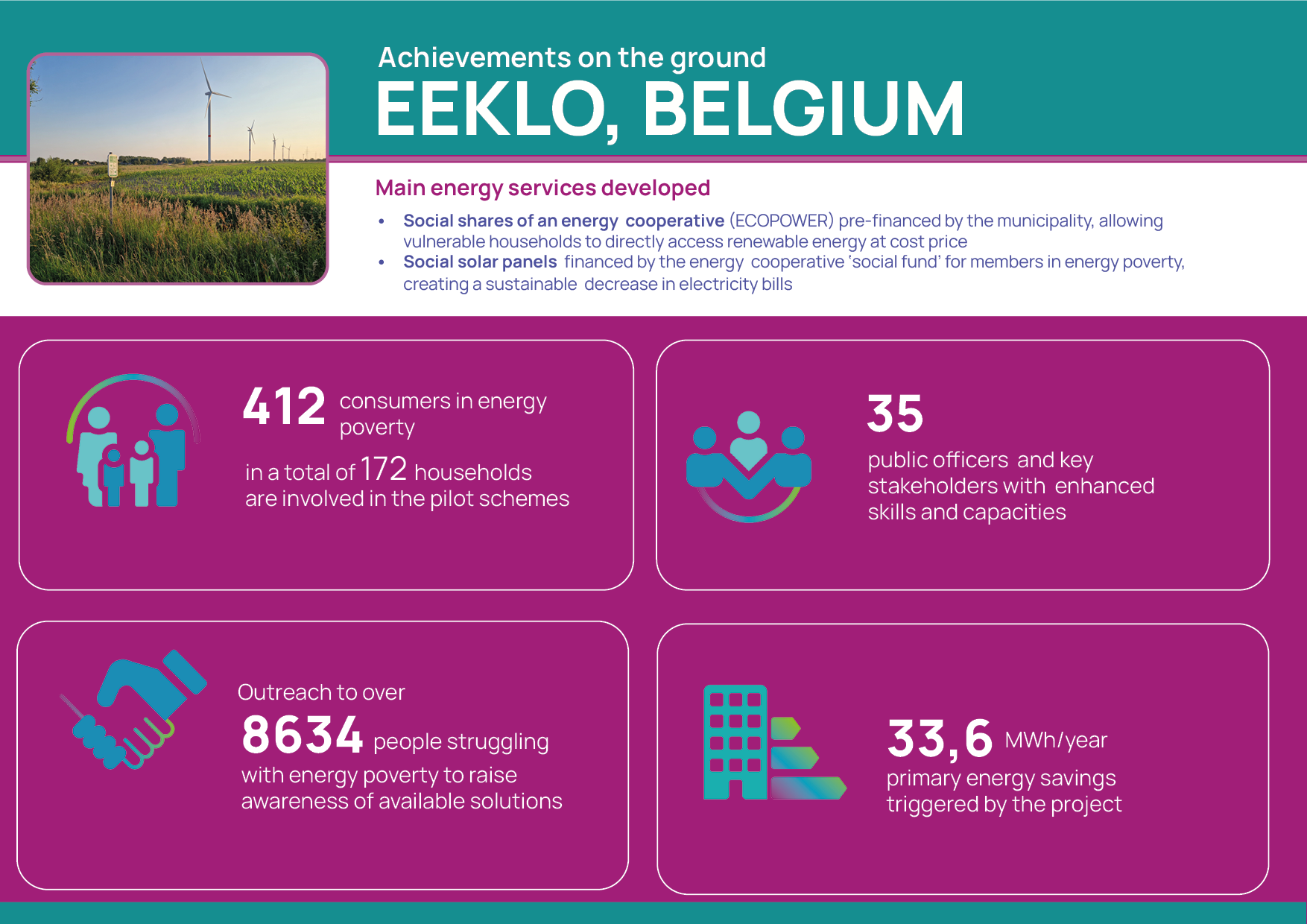
The city of Eeklo will focus on a financial scheme for vulnerable and indebted households based on revenues of an existing wind turbine owned by Eeklo and the Belgium citizen cooperative Ecopower to enhance access to local green energy at a fair price. In this way, the barriers for households to become a member of an energy community and access local green energy are removed and debts can be limited. In addition, accompanying measures for households (communication campaigns, dedicated workshops, etc.) will be put in place to support them in reducing their energy consumption. In this way vulnerable households are activated to participate directly in the local energy transition so that they can immediately enjoy the benefits.

Inhabitants in Eeklo
0
National energy poverty rate in Belgium in 2019
0 %
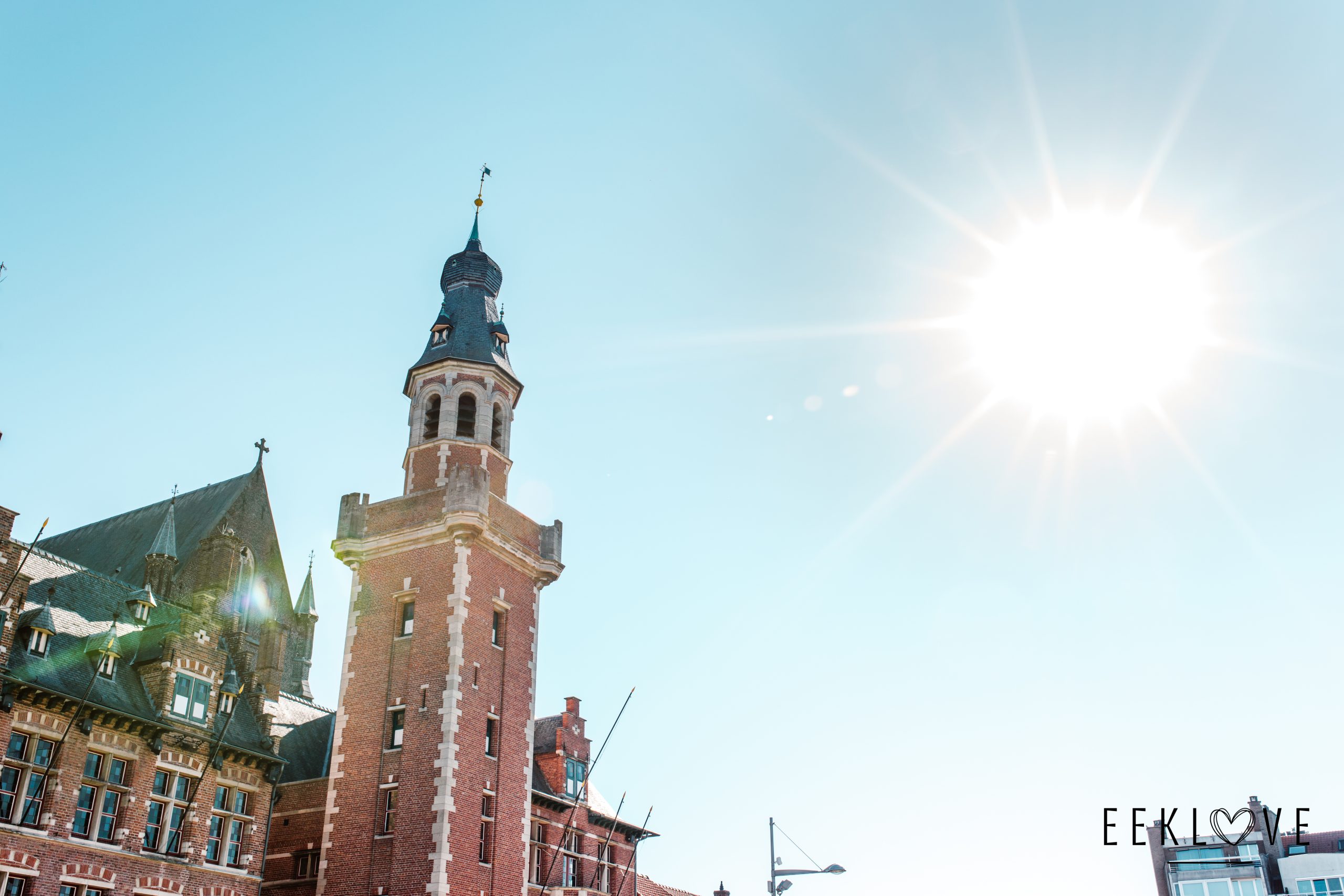
Eeklo centrum copyright stad Eeklo
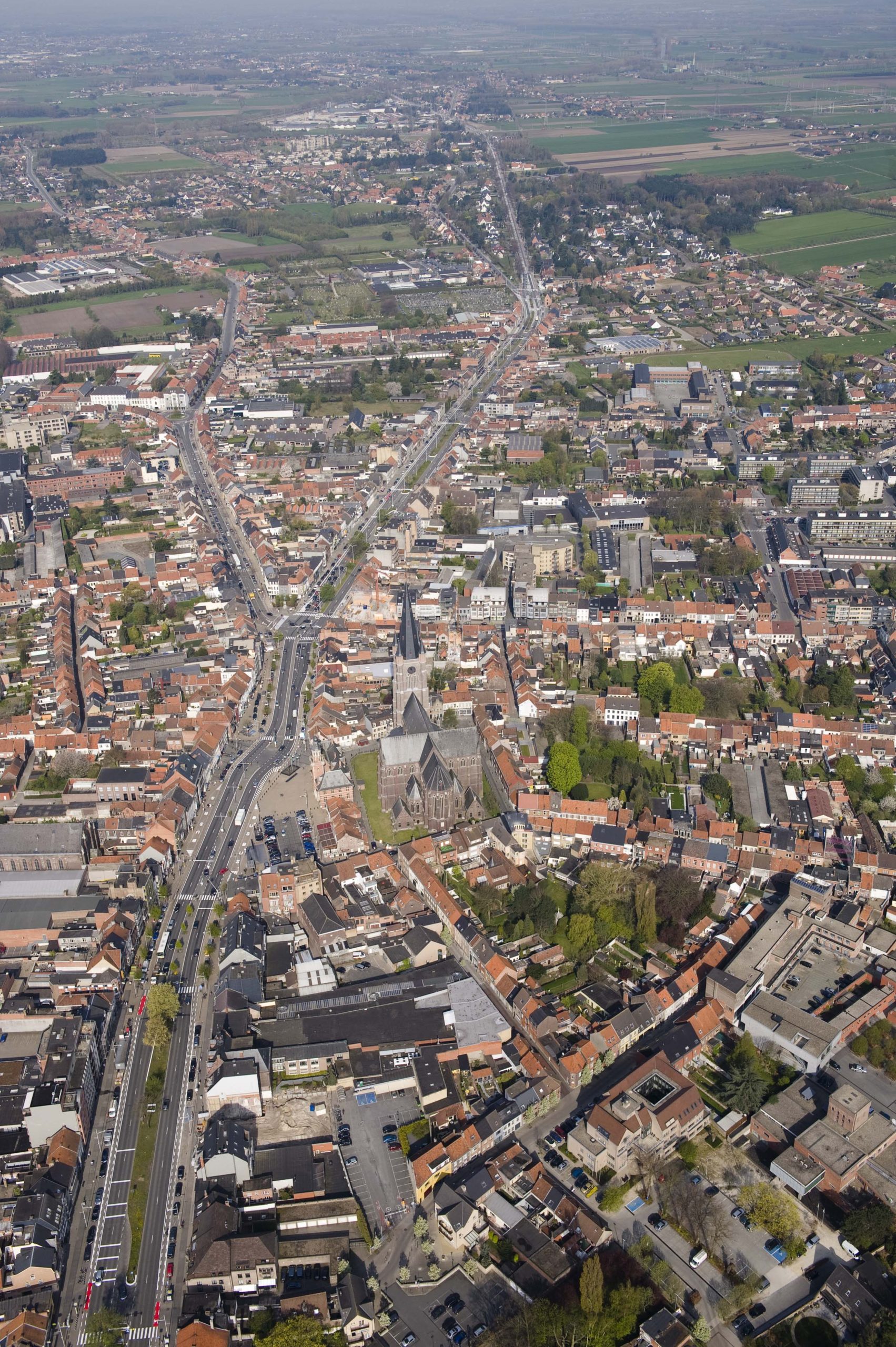
luchtfotoeeklo copyright stad Eeklo

The energy poverty issue

In Eeklo 4% of the total households are abandoned by their supplier because of payment issues and are supplied by the distribution systems operator (DSO), which acts as an emergency social supplier. Worse, they even pay a higher price for electricity than normal. Another striking figure is that 24.1% of the children in Eeklo grow up in a vulnerable situation.

The city of Eeklo is committed to tackling energy poverty. In 2016 it issued a concession contract for the construction of a district heating network (DH) supplied with residual heat from a local incinerator, delivering heath to local companies and a hospital. The tender specifically asked the project developer to include measures against energy poverty, in addition to supplying affordable warmth. The contract was awarded to the Flemish citizen cooperative Ecopower in partnership with the French transnational company Veolia.

Renewable energy production and energy community

The energy cooperative Ecopower is a key partner of the city of Eeklo since years. In POWER UP the two organizations will develop a financial and organizational scheme so that vulnerable (and indebted) households, can benefit from existing wind turbines in the city. In Belgium, indebted households are forced by law to be supplied by the DSO at a higher-than-average market rate. This price is substantially higher than the energy at cost price offered by the cooperative supplier to its members. The two organisations aim to set up a financial fund to pre-finance the access to community energy and manage the debts of indebted households. That way they will be allowed to change energy supplier and to benefit from cheaper and greener local energy. Lastly, the financial benefits will allow them to reimburse their debts.

Belgian Partners

A Belgian municipality in the Flemish province of East Flanders, 21.500 inhabitants
https://www.eeklo.be/

Ecopower cv is a citizen and renewable energy community since 1991. Our objective is to harvest part of the environmental energy together for our own sustainable use. Ecopower has more than 60.000 cooperative members in the Flemish region, 70% of the members has only one share of 250€. Ecopower gathers financial resources from as many cooperative members (shareholders) as possible and uses these funds to invest in renewable energy projects. Together we own 20 windturbines, small hydroplants, lots of PV-installations, district heating network, wood pellet factory.

https://www.ecopower.be/

Don’t hesitate to contact us!

Sister organisation​

Leuven, 100.000 inhabitants

Each pilot organisation has found a ‘sparring partner’ organisation in its region which expressed its intention to replicate the pilot scheme.

Resources

Select topic:

Reset filters

Webinar Replays

Pilot News

Since 2021, the city, academic and private partners that form the POWER UP team worked full steam on their inclusive energy services. Now, it is time to see how it went. An in-depth evaluation, authored by Saska Petrova and Ami Crowther from University of Manchester traces four and a half years of local work across Europe.
Join this webinar at 12h to see what the Belgian partners Eeklo and Ecopower have accomplished in the past 4 years in making energy fair and affordable for all. What is in there for others to "copy"?
Join us for a dynamic morning event bringing together leading voices from municipalities, energy cooperatives, social justice advocates, and policy-makers to explore the future of inclusive, community-led energy systems in Europe and beyond
In regions grappling with energy poverty from the North to South of Europe, information on access to energy or support to energy retrofitting isn’t just helpful—it’s transformative. The municipalities involved in the POWER UP project recognised this early on.
It dates back to 2021, when four cities in Italy, Spain, Czech Republic and Belgium set off to produce renewable energy. Social equity was built in each of the business models as of day one. Initial dreams turned into reality thanks to very pragmatic approaches.
The session, moderated by Marine Cornelis, focused on two pilots from Campania (Italy) and Eeklo (Belgium); both developed in complex local contexts but united by a common goal: ensuring renewable energy benefits reach those most in need.
In Eeklo, a Belgian town of 21,500 inhabitants, the POWER UP pilot team wanted its municipal investment in a citizen-owned wind turbine to have a true social impact. That is why, a few years ago, it turned its membership share in the Ecopower cooperative into 100 “social shares”. We wanted to understand how this idea has come to life.
This last webinar in the POWER UP series will feature the experiences of the pilots in Campania (Italy) and Eeklo (Belgium), showing how local energy communities can become credible and trusted actors in fighting energy poverty.
Across Europe, energy poverty limits access to affordable and sustainable energy, disproportionately affecting vulnerable households. The POWER UP National Guides provide a practical roadmap for municipalities, cooperatives, and local organisations to develop inclusive, community-led renewable energy solutions.
The landlord sees it as a stranded asset as he is not benefitting from the electricity her-/himself. As for the tenant, he may have neither the money to pay for upfront costs nor the power to install new infrastructure on the building. Good information and advice may help getting safely through the jungle.
The latest POWER UP report presents key policy recommendations to support inclusive energy communities across different contexts, ensuring they benefit vulnerable households and contribute to a just energy transition.
Since the start of POWER UP co-designing activities, a selected group of people struggling with energy poverty were actively involved in collective decisions around renewable energy production. But awareness-raising and support should not be limited to a few. That is why, over the past months, the four pilots of POWER UP engaged a broader group of residents in activities whereby they learned how to have control over their energy consumption.
This report outlines financial opportunities for renewable energy projects focused on reducing energy poverty. It is intended for municipalities and other entities looking to implement socially oriented initiatives. The report covers public grants, private financing, and crowdfunding, showing how these can benefit vulnerable populations.
As the Olympic fever is still on, we prepared a sporty teaser for you: We think power needs to go to those who have the least, to those who are the "armless archers" in the energy world.
The POWER UP and Cooltorise teams had the pleasure to see many energy poverty advocates in Modena during the 2.5-hour workshop “Energy for the invisible citizen: in search for lasting renewable & fair solutions.” We discussed energy poverty and ways to fight it by working with those most affected.
The POWER UP approach to co-design those services with people in energy poverty must have impressed the EU Commission. In the latest guidance on energy poverty they mention our work in general, and our pilot city Eeklo in particular,